
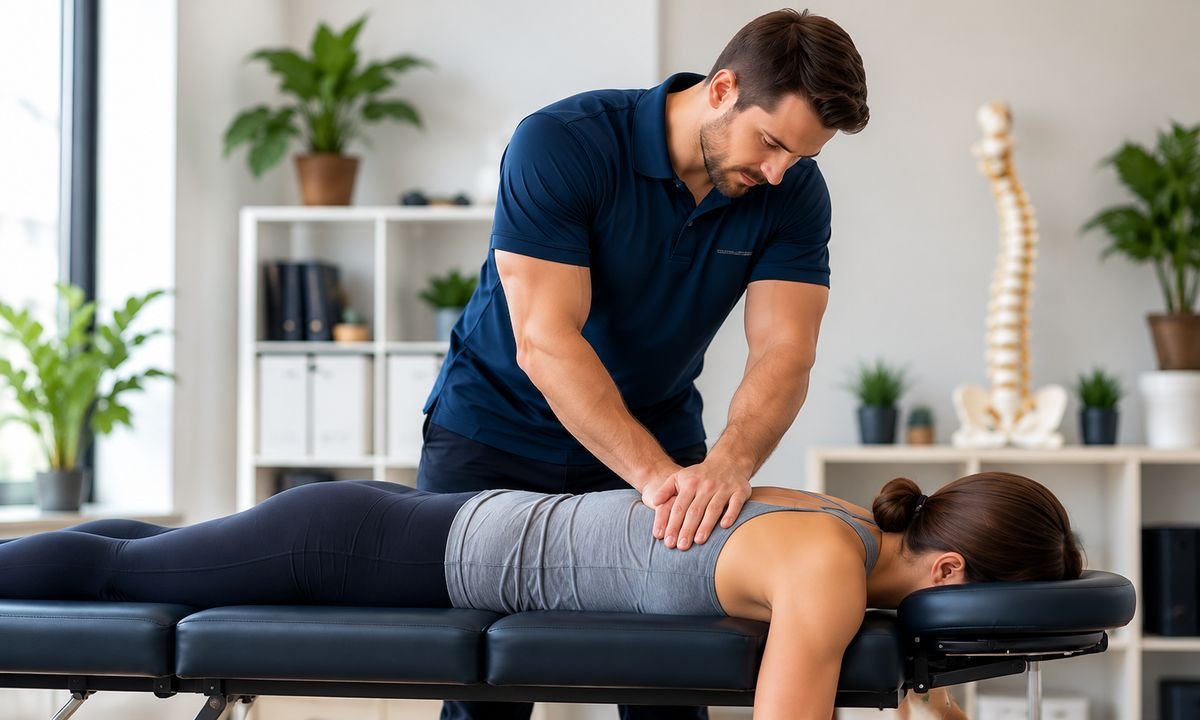
What Is Massage Therapy?
Massage therapy may involve techniques directed at muscles, fascia and other soft tissues. The approach can vary according to the patient's symptoms, health history, goals and the practitioner's training. People may seek massage therapy for muscle tension, localized discomfort, activity-related soreness, reduced soft-tissue mobility or as part of a broader plan for managing musculoskeletal symptoms. Massage therapy is not a universal treatment for every source of pain, and an appropriate assessment helps determine whether it is suitable.
Common Concerns
Massage therapy may be considered for muscle tightness, neck and shoulder tension, back muscle discomfort, post-exercise muscle soreness, selected soft-tissue strains and other musculoskeletal complaints. Some people also seek massage as part of a general wellness or relaxation routine. Conditions such as tendinopathy, acute injury, unexplained swelling, fracture, infection or neurological symptoms may require assessment by another healthcare professional. Massage should not be presented as a guaranteed treatment for a medical disease or as a substitute for necessary medical care.
What to Expect
An appointment generally includes discussion of the reason for treatment, relevant health information, areas of concern and treatment preferences. The practitioner may ask about previous injuries, medications, health conditions and activities that affect symptoms. The patient should communicate comfort levels throughout the session. Appropriate draping, professional boundaries and patient privacy are important parts of safe massage therapy practice. The techniques and pressure used should be adapted to the individual's circumstances.
Massage for Active People
Massage therapy may be included in a broader approach to maintaining activity and managing muscle-related symptoms. Athletes and recreationally active people may seek massage around training or competition for comfort or recovery support. Massage should not be promoted as a guaranteed method of preventing injury or improving athletic performance. If a person has an acute injury, significant swelling, loss of function or suspected structural damage, an appropriate clinical assessment should occur before assuming massage is suitable.
Massage and Other Healthcare Services
Massage therapy can sometimes be used alongside physiotherapy, chiropractic care, exercise rehabilitation or medical management. When multiple professionals are involved, each provider should work within their professional competence and scope. The patient should understand which service is being provided and for what purpose. Where personal health information needs to be shared, we follow applicable privacy and consent requirements.
Safety and Contraindications
There are circumstances in which massage may need to be modified, postponed or avoided. Examples can include certain acute injuries, unexplained swelling, suspected blood clots, active skin infections, some post-operative situations and medical conditions requiring specific precautions. The appropriate decision depends on the individual's health status. Patients should tell the practitioner about relevant medical conditions, pregnancy, medications and recent procedures. When a symptom could indicate a serious medical problem, medical assessment should take priority.
Professional Considerations
Regulation and professional titles for massage therapy differ across Canada. The information on this page is educational and should not be interpreted as a diagnosis or individualized treatment recommendation.
This page provides general educational information and is not individualized medical advice. Services are provided only by professionals who are appropriately qualified and authorized, and no particular result or recovery time can be guaranteed. Read the full disclaimer.